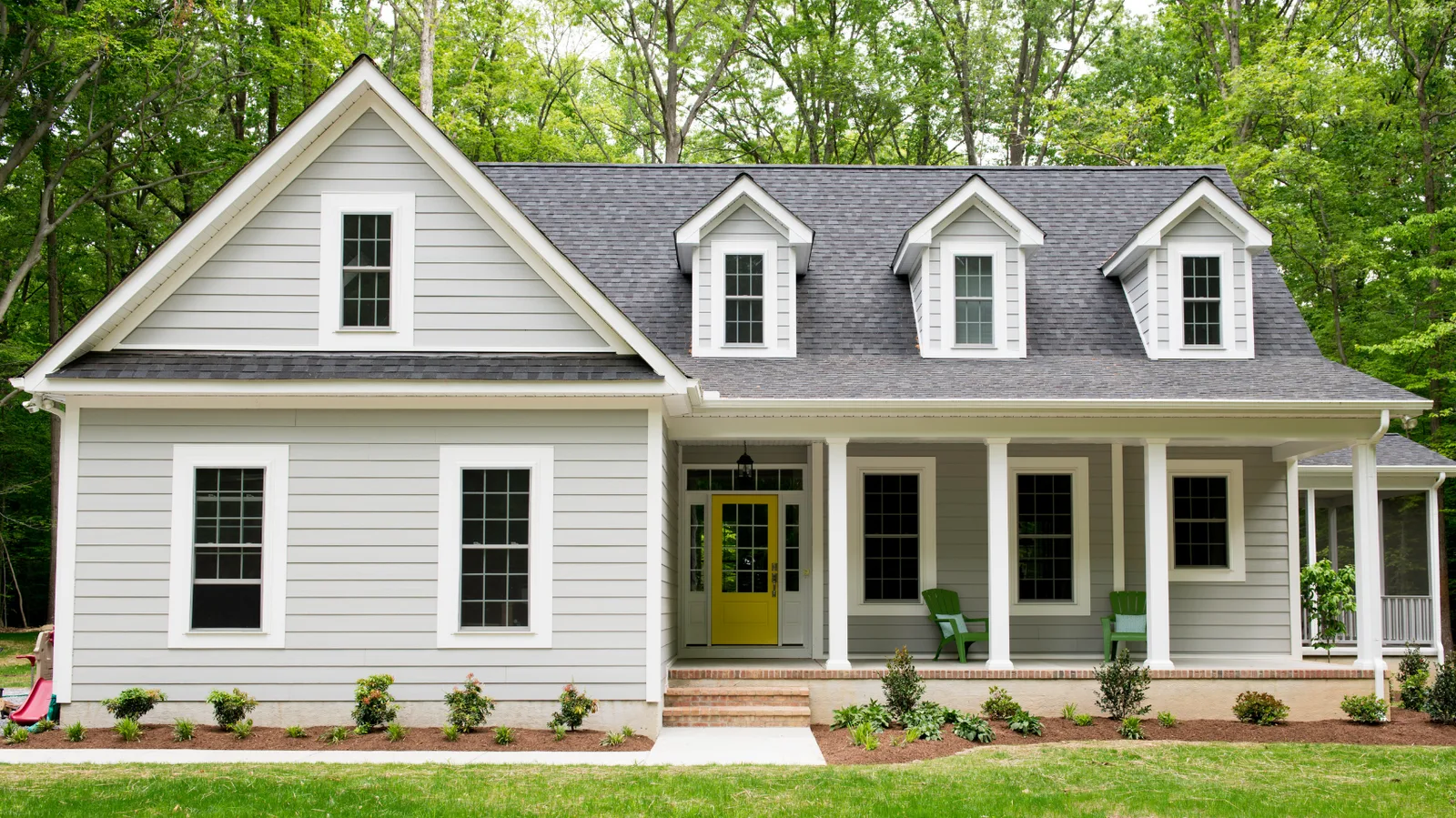
Roofing in Downtown Wagoner, OK
Roofing help for downtown Wagoner homes and businesses. We look at the roof, its wall connections and its drainage, then plan the work around the property.
Roofing around Main and Cherokee in Wagoner
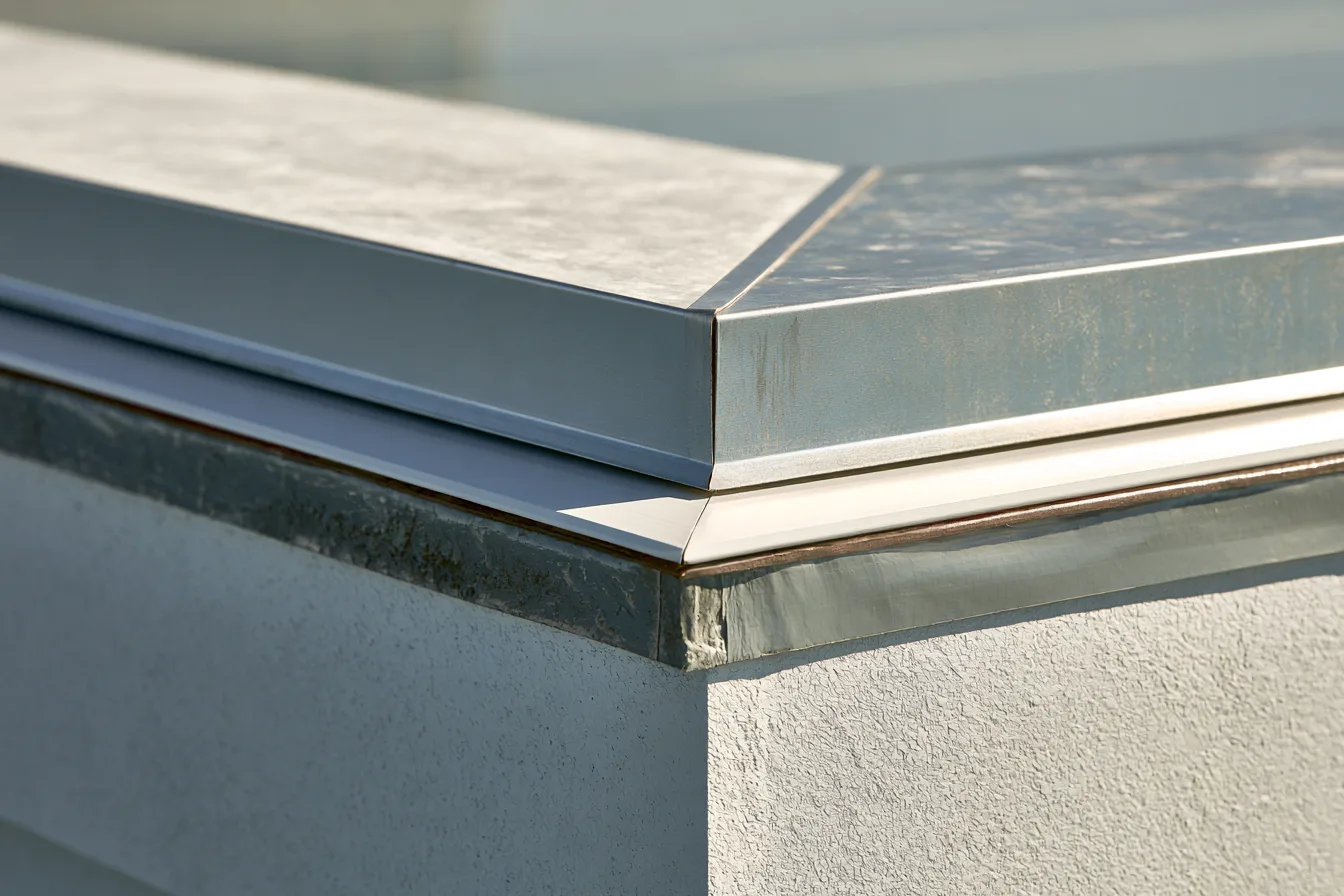
Water entering beside a brick wall needs more than a glance at the roof’s open surface. The connection between the roofing and the wall has to keep runoff outside. On a building with a parapet, the cap over the wall and the roof flashing below it both deserve attention.
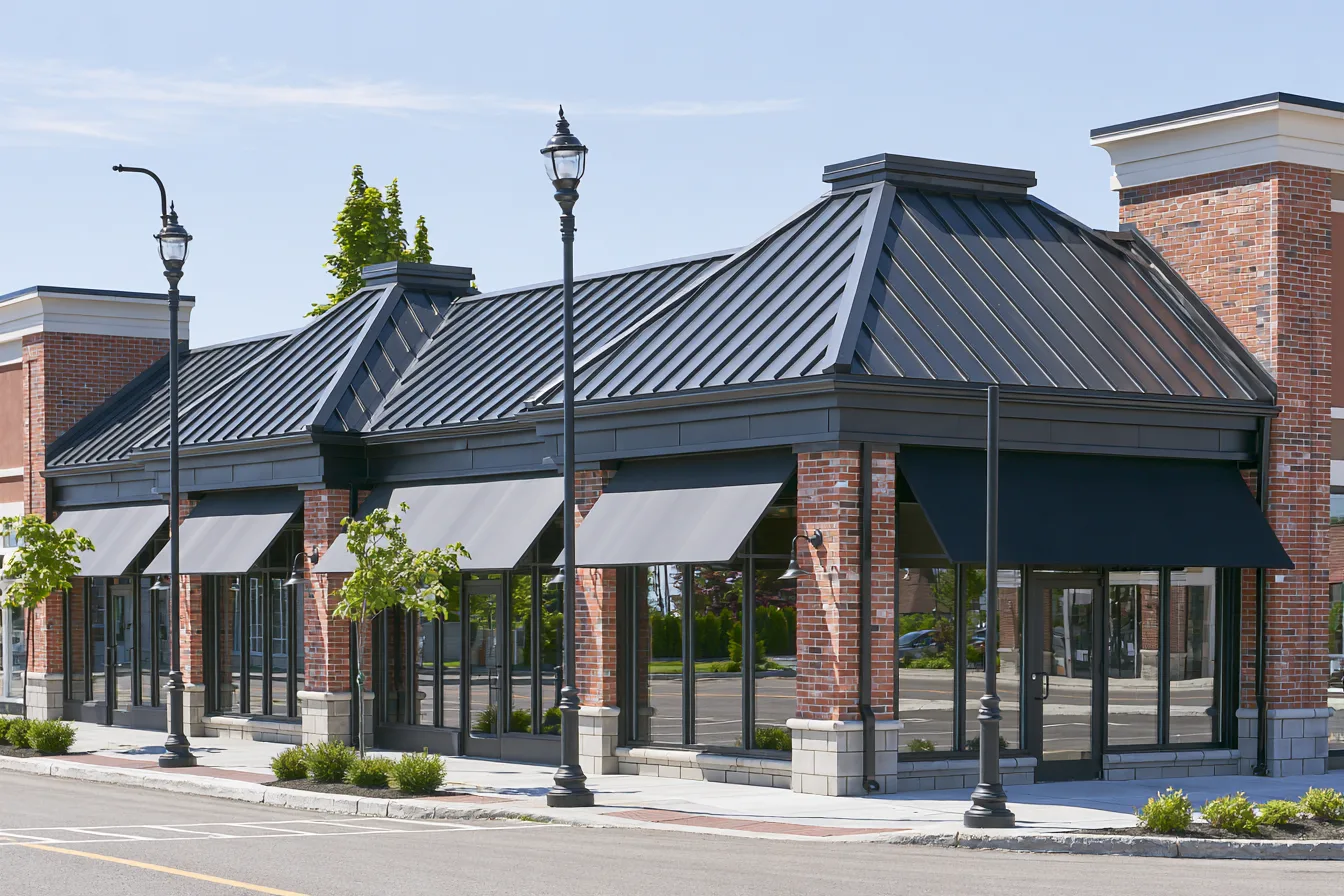
Downtown Wagoner’s Main and Cherokee intersection includes the Cobb Building, built in 1895, and the Harris building, built in 1912. Those masonry landmarks are part of the setting in which roof and wall work meet. At your property, we inspect the present covering and the details connected to it, whether the building is a home, shop or other occupied space.
A free roof inspection helps identify the failed detail and whether the work belongs to the roof, the masonry or both.
- Downtown location
- The Main and Cherokee area is part of Wagoner’s downtown/Switch District.
- Masonry landmarks
- The city identifies the Cobb Building (1895) and Harris building (1912) at this intersection. City historic landmarks, checked September 30, 2026.
- ZIP code coverage
- 74467 for downtown Wagoner service addresses. Include the property’s street address with your request. Wagoner ZIP directory, checked September 30, 2026.
- For a roofing request
- Give the property’s street address and the space where you noticed the problem. Include any entrance or access that needs to stay available.
Roof-to-wall leaks on downtown Wagoner buildings
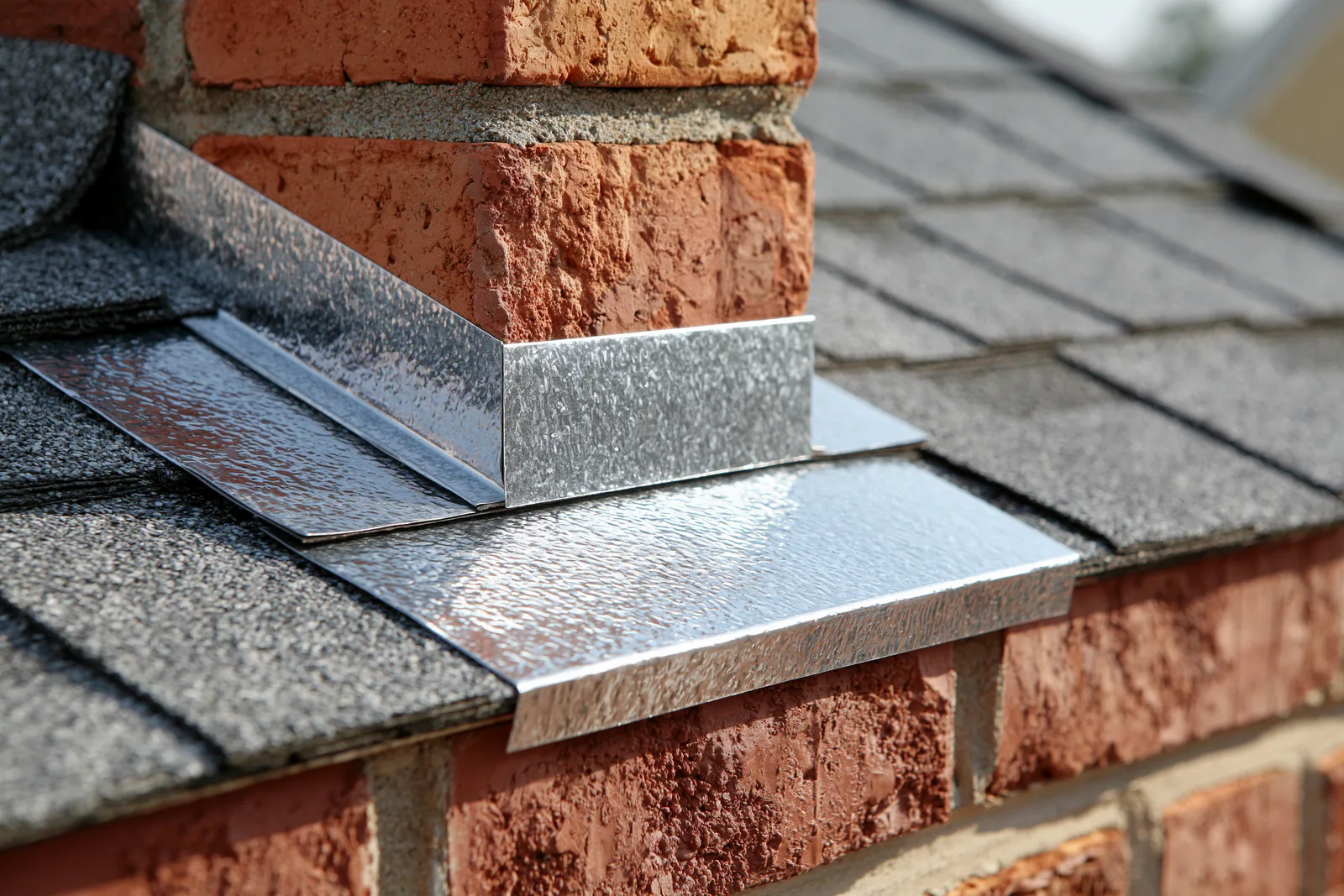
A roof meeting brick needs a layered water-shedding connection. On a sloped roof, step flashing works with the shingle courses. Counterflashing covers the upper edge where that metal meets the masonry. An opening at either connection can let rain past the roofing, even when the shingles nearby look sound.
On a low-slope roof behind a parapet, the membrane turns up the wall and must terminate securely. Coping protects the top of the wall. Loose coping, failed roof flashing and cracked masonry are different defects, and the repair must address the one allowing water into the building.
We look at how the roof and wall meet before recommending work. Chimney and roof-to-masonry flashing repairs explain the roofing side of that connection; deteriorated mortar or other wall defects can require separate masonry work.
Keep runoff moving off the roof
The roof shape determines the path water should take. We check the details on the building rather than assuming every downtown roof is the same.
Low-slope roofs and wall outlets
If the building drains through a scupper in a parapet or an internal drain, the opening and the roof leading to it both matter. An obstructed outlet or a low area that holds water will not be corrected by a patch somewhere else on the membrane.
Porches and lower roof additions
A porch or lower roof attached to a taller wall creates another flashing connection. The covering must suit its slope, and water coming down from above must reach the lower roof without passing behind that joint.
Shingle slopes and intersecting valleys
On a shingle roof, valleys collect runoff and roof-edge details direct it away from the deck. Repairs need workable surrounding shingles and correctly connected layers so water leaves the repaired area along the intended path.
Plan downtown roof work around daily use
Getting the roof right also means planning how the work reaches the building.
Identify the roof and the occupied areas
Tell us whether the concern is over a shop, home, storage room or another part of the property. The leak location and the use of the space help focus the inspection and the protection needed below.
Arrange access and material movement
Entrances, pedestrian routes, shared access and places for materials affect the work plan. Roofing around an occupied building needs room to work safely without assuming that every doorway or parking area can close.
Match the project to its approvals
The roof scope and exact property location determine the local coordination needed before work. Wagoner’s building application includes roofing/siding. Our roofing permit guide is the home for detailed permit and code guidance.
Repair and replacement choices for a downtown roof
A downtown roof can need a small detail repair or a larger project. The condition of the adjoining materials tells us which conversation to have.
Repair the failed connection
If the surrounding roofing and its base are sound, a flashing or membrane repair can stay focused on the problem area. Deteriorated material below the visible failure still needs to be addressed.
Roof repair explains how the work connects to the existing roof.
Replace or restore with the assembly in mind
Broader deterioration or wet insulation changes the options on a low-slope building. A new surface cannot solve every problem beneath it. Material choice, drainage and the wall details need to be planned together.
Commercial roofing covers those repair, coating and replacement decisions.
Downtown Wagoner roofing FAQs
Can a roof leak beside a brick wall be repaired?
Yes, when the opening is in a roof detail that can be repaired into sound surrounding material. We examine the flashing and the wall connection. If water is entering through deteriorated masonry, that needs attention as well as any roofing work.
Do you inspect both homes and commercial buildings downtown?
Yes. Tell us the property address and whether the roof is over a home, business or another occupied space. The roof system, access and the concern guide the inspection.
Will a new membrane fix water entering through masonry?
No. A new membrane cannot repair a separate opening through the wall above it. The roof flashing, parapet cap and masonry need to be considered together so the actual water path is addressed.